
Managing Constipation (why eating more fibre isn't always the answer)
Dealing with a cancer diagnosis can be overwhelming enough without having to quietly endure the debilitating side effects of treatment. The good news is that you don’t need to suffer in silence!
Constipation is the side effect no-one wants to talk about, yet it affects nearly 60% of people undergoing cancer treatment.
Common causes of constipation during cancer treatment include:
Medications (e.g. certain chemotherapies, opioid pain relief and anti-sickness drugs)
Reduced mobility (due to fatigue or bed rest during treatment)
Dehydration (due to increased fluid losses on some treatments as well reduced fluid intake due to sore mouth, taste changes and nausea)
Dietary changes (often due to reduced appetite and lower fibre intake)
In this blog we will look at the latest evidence for the dietary management of chronic constipation. There is more to it than just eating more fibre…
What is constipation?
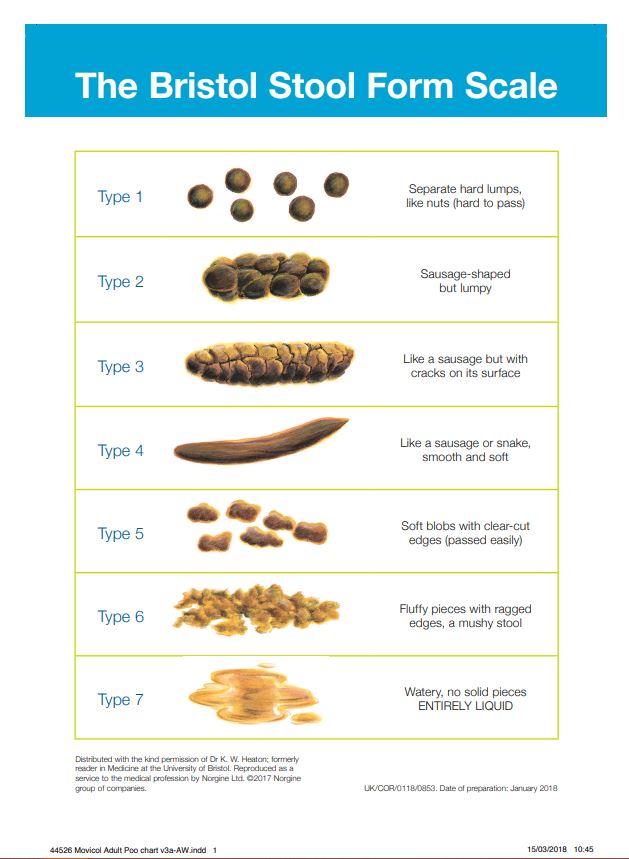
Constipation is defined by infrequent bowel movements, difficulty passing a stool or the feeling of incomplete emptying. Someone is generally considered to have constipation if they have less than three bowel movements per week.
The Bristol Stool Chart is a useful visual for helping to identify whether you may be experiencing constipation
What is the evidence for the dietary management of constipation?
The dietary management of chronic constipation has shifted away from the generic ‘eat more fibre and drink more water’ towards targeting specific, clinically proven foods and supplements.
The British Dietetic Association (BDA) has recently published dietary guidelines for chronic constipation in adults. For the first time, we have a comprehensive, evidence-based resource identifying which foods and supplements can help improve symptoms.
Let’s break down the key points ⏬
The right sort of fibre matters…
Some fibres may make you feel worse before you feel better. Go for the soluble ones that soak up water and turn into a soft gel-like substance, which softens and bulks your stool and helps get things moving.
Here are some soluble fibre rich foods that research backs to relieve constipation:
Kiwifruit
Consuming 2-3 kiwifruits daily (green or golden; with or without the skin) for at least 4 weeks significantly improves stool frequency, and reduces straining and abdominal discomfort. The fruit’s unique combination of soluble fibre and the enzyme actinidin help to improve bowel motility.
Top Tip: consumed before bedtime, kiwifruit also have the added benefit of helping with sleep quality!
Prunes (dried plums)
Your Grandma was right! 8-10 prunes (80-100g) daily has been clinically proven to relieve constipation. Prunes combine high soluble fibre content with sorbitol – a natural sugar alcohol that draws water into the bowel, softening stools.
Top Tip: if you are prone to bloating, you may be better trying kiwi over prunes which are a little more fermentable in the gut.
Rye bread
6-8 slices daily for 3 weeks have been demonstrated to improve stool frequency compared to wheat bread. However, this quantity may not be realistic or manageable for some people. It may also cause mild wind and bloating due to its high fermentability.
Psyllium (ispaghula) husk
Psyllium husk has been shown to help to soften the stool and improve movement of the stool through the bowel, reducing the risk of straining.
How to take it: Mix one teaspoon (5g) of psyllium husk powder in a large glass of water (250-300ml) and stir vigorously. Drink immediately before it forms a gel. Follow with another glass of water. Build up gradually to 2-3 teaspoons (10-15g) per day, as tolerated. Take with plenty of fluids for at least 4 weeks.
Psyllium jelly recipe: If you find psyllium husk a bit unpalatable on its own, try this two-ingredient psyllium jelly recipe which works well with most fruit juices, including grape & cranberry juice with a dash of lime. Start with 1/3 jar per day and build up gradually to 1 whole jar per day, as tolerated.
This video on our Instagram or Facebook page shows how easy it is to make.
A Word of Caution
If you suddenly eat a large amount of soluble fibre without enough fluids, it may make your symptoms worse.
Increase your intake gradually over a few days to allow your digestive system time to adjust.
Make sure you drink plenty of fluids to enable the soluble fibre to absorb liquid and form the gel-like substance you need to combat constipation.
And remember that it can take a few days for food to pass through the bowel, so be consistent and patient in assessing the impact.
What else can I try to help relieve constipation?
Supplements are rarely the answer, but there's evidence that some may help:
Magnesium oxide supplements
Magnesium oxide supplements have a laxative effect, drawing more water into the bowel and softening the stool.
They may also help with bloating and abdominal discomfort associated with constipation.
Aim for 0.5 - 1.5g per day, starting at the lowest dose, and increasing gradually as tolerated. Take for at least 4 weeks for optimal effect.
Our recommended product: Sunday Natural Magnesium Oxide
Probiotics
Specific strains (e.g. Bifidobacterium lactis & Bacillus coagulans Unique IS2) may be beneficial for stool frequency. However, there is a lack of convincing evidence to recommend specific strains of probiotics for chronic constipation.
Tip: If you choose to try a probiotic, it is recommended you use them for at least 4 weeks to assess any benefit.
Caution: probiotics may not be advised during some cancer treatments – consult a health professional before starting them.
What do we not know enough about yet?
Fermented foods
There is growing research that fermented foods (e.g. kefir, kimchi and sauerkraut) may improve chronic constipation. Results, however, are inconsistent and more clinical studies are needed.
You can can certainly include them if you like them!
High fibre diets
There is insufficient evidence to support the use of a generic high- fibre diet to manage constipation. There's specific types of fibre that a dietitian would select based on an individual assessment. A high-fibre diet remains essential for overall gut health.
Aim to meet the UK national recommendation of 30g fibre per day, spread evenly across the day.
Key Take Aways…
The right sort of fibre matters for managing constipation. Choose soluble fibres that soak up water and turn into a soft gel-like substance to help get things moving.
Kiwifruits, prunes and psyllium husk are backed by the research. Other good sources of soluble fibre include oats, ground flaxseeds (linseeds) and chia seeds.
Build up soluble fibre in the diet slowly over a few days or even weeks to allow your digestive system time to adjust.
Make sure you drink plenty of fluids to enable the soluble fibre to absorb liquid and form the gel-like substance you need to combat constipation.
Magnesium oxide supplements can also help manage constipation. Aim for 0.5 - 1.5g per day, starting at the lowest dose, and increasing gradually as tolerated. Take for at least 4 weeks for optimal effect.
There is not strong enough evidence to recommend specific strains of probiotics for constipation. If you choose to try them, it is recommended you use them for at least 4 weeks to assess any benefit. Probiotics may not be advised during some cancer treatments – consult a health professional before starting them.
A high-fibre diet remains essential for overall gut health. Aim to meet the UK national recommendation of 30g fibre per day. Aiming for 30 plant points per week is a good place to start!
Book a consultation with one of our cancer specialist dietitians
Useful links:
Bristol Stool Chart: https://www.england.nhs.uk/wp-content/uploads/2023/07/Bristol-stool-chart-for-carer-web-version.pdf
Psyllium Husk Recipe: https://www.instagram.com/reels/DUWZdRniEbO/
30 plants per week: https://zoe.com/learn/30-plants-per-week?srsltid=AfmBOooaV4tmG0DinovNUkz54jVLHvETnGebWl7r0lAmFTbLkD7W2Z8w&lead_id=4713564e-69b4-4fc4-8e1b-bc635635e4dd
References:
Eating 30 Plants per Week: How To Do It and WhyBritish Dietetic Association Guidelines for the Dietary Management of Chronic Constipation in Adults (Dimidi et al, JHND, 2025) https://onlinelibrary.wiley.com/doi/10.1111/jhn.70133
BDA Guidelines for Chronic Constipation in Adults https://www.bda.uk.com/resource/the-first-bda-evidence-based-dietary-guidelines-for-chronic-constipation-in-adults-from-evidence-to-practice.html
BDA Fibre Fact Sheet https://www.bda.uk.com/resource/fibre.html
Nutrition Science Bite – interview with Prof Kevin Whelan, King’s College, London - YouTube Video